Consequence timeline
Superwin rummy formats: points, pool and deals
Choose a format, then the stake locks, then the leave or drop cost fires. That three-step chain is the whole decision. A Superwin seat that hides any step is not a format yet.
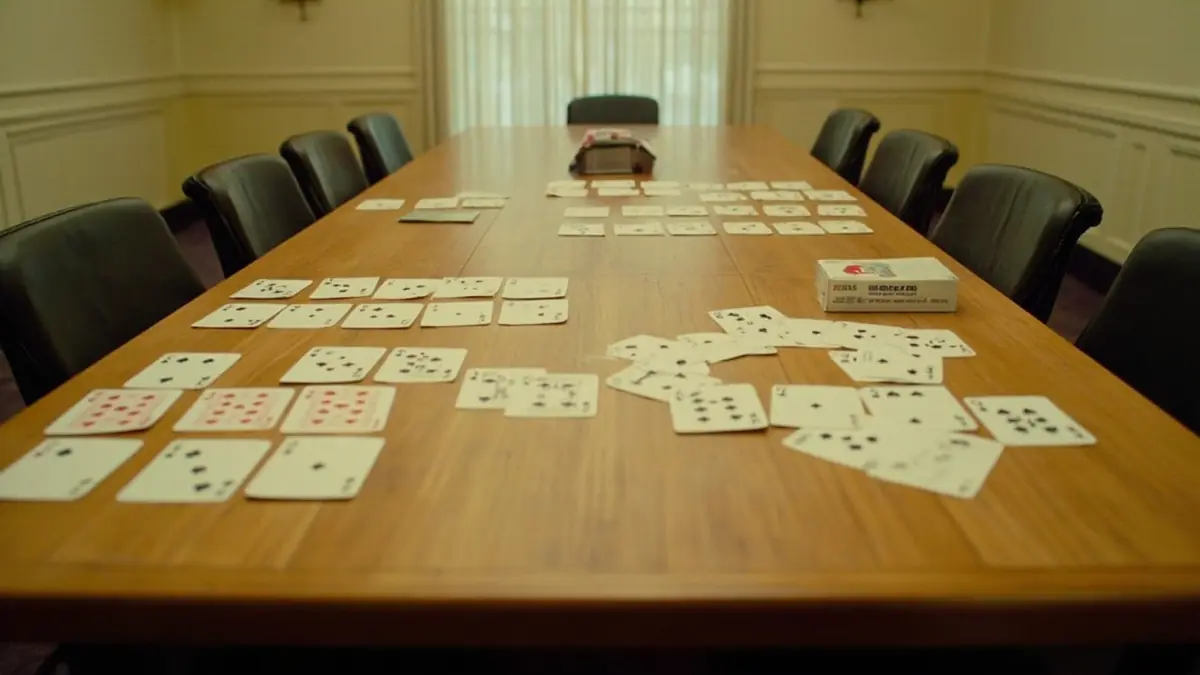
Standard 13-card conventions below are teaching facts. They are not Superwin house rules unless the lobby repeats them in the same panel as the stake.
01
Choose format, then stake, then leave cost
The first consequence is the format lock. Superwin must say points, pool 101, pool 201, or deals with a deal count. A label such as classic or Indian rummy is a marketing name. It does not tell you how a failed hand is billed.
The second consequence is the stake lock. A point value multiplies deadwood. A pool entry is a ticket into a running count. A deals buy-in is a ticket into a fixed set. Mixing those three in one sentence is how players overpay a first drop.
The third consequence is the leave or drop line. A first-hand drop is usually cheaper than a middle drop. An invalid declare is usually a full count. A disconnect leave can be the most expensive of the three. If Superwin hides that line behind a help article, treat the table as unread.
02
Who each Superwin format punishes
Use the ledger to pick a punishment you can afford, not a name you like. Superwin may rename a column. The billing logic should still match one of these three families.
| Family | Win condition | What a bad start costs | Who it punishes |
|---|---|---|---|
| Points | Valid show, lowest deadwood billed | Drop or full count times the point value | Anyone who hates folding a broken hand |
| Pool 101 / 201 | Last player under the target, or last remaining | Running count until exit | Anyone who stays after the first cheap drop was available |
| Deals | Best net after a fixed number of hands | You must finish the set | Anyone who wanted a one-hand exit |
03
Points rummy bills the hand you just finished
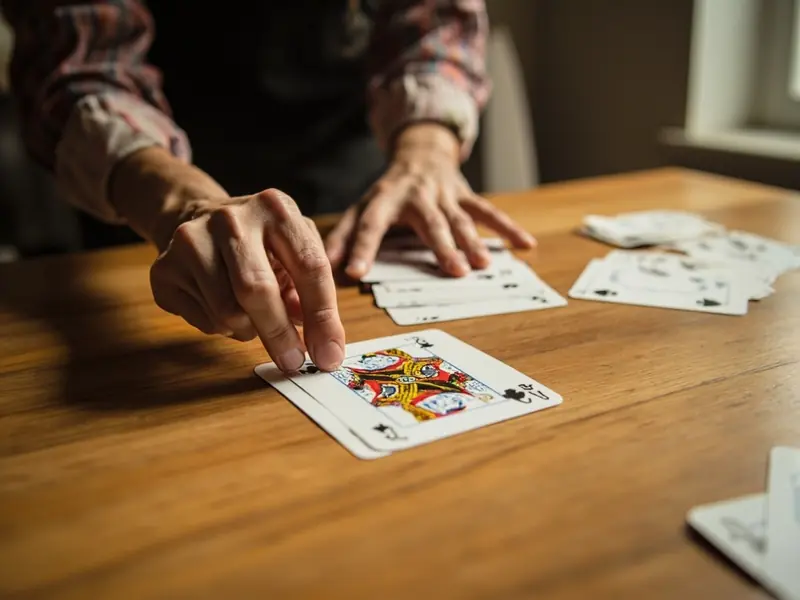
In points, the table ends when a valid show is accepted. Unmatched cards become a bill. Face cards usually count 10. Aces often count 10 in deadwood unless the house says otherwise. A joker in an impure sequence is not deadwood. A joker left unused is.
The skill is speed under a timer plus the discipline to drop. A 13-card fan that will not make a pure sequence in two draws is often a drop, not a hero project. Superwin’s exact first-drop number is unpublished here. Read it on the join panel.
Points is the right Superwin family if you want a bounded test of the declare control. It is the wrong family if you plan to “make it back” on the next deal inside the same sitting. Each hand is a new bill.
04
Pool keeps you in the circle after a cheap drop
Pool 101 and pool 201 are not calmer versions of points. They are elimination counts. A drop still adds to your total. Later hands keep adding. The player who dropped early and then played tight can still be the first to exit if pride returns on hand four.
Table size matters more here. A six-seat pool lasts longer and hides more information in the discard pile. A two-seat pool is a duel. Superwin must show seat count and target on the same row. If only one of those is visible, wait.
This desk will not tell you a Superwin pool is “softer” because the entry looks small. The entry is a ticket. The count is the product.
05
Deals lock the number of times you can be billed
Deals rummy sells a set. You buy a known number of hands. Variance is front-loaded because you cannot treat hand one as a disposable sample unless Superwin prints a deals-specific drop that this desk has not seen.
The closer still needs two sequences, one of them pure. A deals table does not relax the show rule. It only removes the option to walk after a single disaster.
Use Superwin deals when you can finish the printed count without raising the stake mid-set. If the deal count is missing, you do not have a deals table. You have an unnamed sitting.
06
Timer, seats and leave: the matrix that actually matters
Format names do not capture pace. A 15-second points table and a 45-second pool table are different products. Confirm all three columns before the first chip moves.
| Control | Why it changes cost | Unread version |
|---|---|---|
| Timer | A short clock turns a slow sort into a forced discard | No seconds shown |
| Seats | More seats mean a thicker discard pile and longer pools | Avatar row without a number |
| Leave / drop | Decides whether a bad start is cheap | Buried in terms |
| Joker rule | Printed versus wild joker changes impure runs | Icon only, no sentence |
07
What this format desk will not tell you
It will not quote Superwin odds, RTP, or a winner rate. Those figures are not published here and would be a fabrication if invented.
It will not rank points as safer than pool. Safety is the leave line plus your stop. A low point value with a hidden disconnect penalty can cost more than a high pool target you understand.
It will not convert a Superwin screenshot from another site into a current rule. House text changes. Read the live panel.
08
If you already know the family, open a first-hand sequence
Readers who can name their Superwin family in one word should move to the deal, draw and show sequence. The format desk has done its job once the punishment is chosen.
Readers who cannot name the leave cost should stay here until that number is visible in the product. PLAY NOW is a later tap, not a way to discover the format.
09
A Superwin seat is a bill, not a sample
Players treat the first paid seat as a look around. The format families above do not work that way. Points bills the hand. Pool adds to a count. Deals spend one of a fixed set. None of those is a tour.
If you need a sample, sample the unread panel: format name, point or target, drop, middle drop, invalid show, disconnect leave, timer, seats. That list is free. The seat is not.
After the panel is readable, the next task is the first-hand sequence, not a second format. Switching families mid-sitting is how a leave rule you already accepted gets replaced by one you did not read.
Format questions that change the seat you buy
Ask Is points rummy always cheaper than pool?
No. A high point value times a full count can exceed a pool entry. Compare the printed numbers, not the names.
Ask Does Superwin use 101 and 201 as pool targets?
This desk has not verified Superwin’s live targets. Confirm the number beside the join control.
Ask Can I treat deals as a practice set?
Only if you can afford every hand in the printed count. Deals are not a free sample.
Ask What if Superwin shows only “rummy”?
Do not join. Ask the lobby to name points, pool or deals, plus the leave cost.
Ask Do jokers work the same in every family?
Usually a joker substitutes in an impure sequence and cannot make the required pure sequence. Confirm Superwin’s printed joker note.
Ask Where do I learn the first show?
Open the first-hand sequence after you pick a family.
If the checks passed, open the configured route
If the Superwin panel names the family, the stake and the leave cost, the configured play route is the next product action. If any line is missing, stay on the editorial side.